


.jpg)
























Report: Eddie Cohen’s Post Revives Allegations of a Plan to Manage the Sudan Peace File
Geneva – Riyadh – Cairo | 4 July 2026Analysis: Special Correspondence – Charilogone Editorial Team
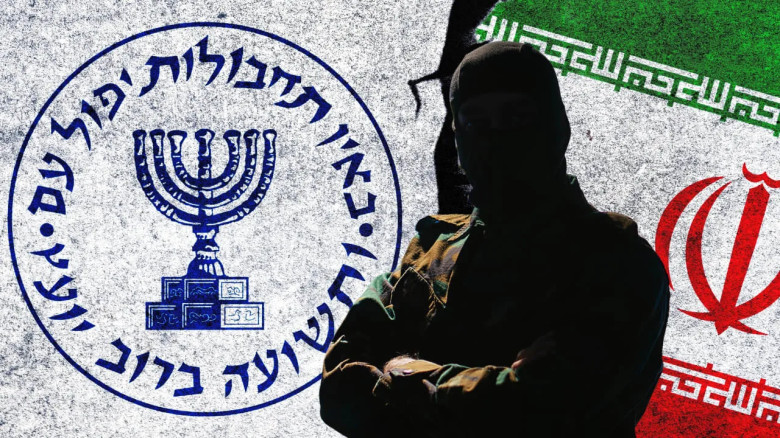
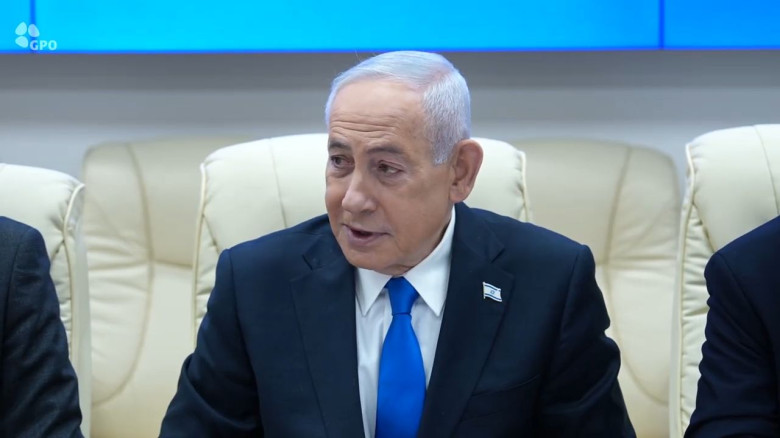
Media platforms have circulated a post by Israeli writer Eddie Cohen in which he refers to alleged “Saudi attempts to buy” Sudanese organizations in Geneva. This post coincides with information suggesting the existence of a regional proposal aimed at restructuring the management of the Sudan peace file and delaying any settlement until the end of U.S. President Donald Trump’s term.
Part One: What Eddie Cohen Claimed in His Post
1. Saudi Financial Offers
Cohen claims in his post that Saudi parties contacted more than 15 Sudanese organizations in Geneva and offered them sums of money as bribes. He states that some of these organizations rejected the offer and intend to reveal it at a later time.
2. Formation of a “Regional Axis” to Obstruct the Truce and Ceasefire
Cohen refers to the formation of a “Saudi–Turkish–Egyptian axis” allegedly working to obstruct the truce and ceasefire in Sudan and to reduce American–Emirati influence over the Sudan file. He asserts that “many people in Geneva are aware of these attempts.”
Part Two: Alleged Details of the ‘Restructuring’ of the Sudan File
Parallel to Cohen’s post, informed sources have reported the existence of a project aimed at restructuring the management of the peace file along two main lines:
1. Delaying Ongoing Negotiation Processes
According to these sources, the undeclared objective of the project is to delay any initiative led by the current U.S. administration regarding humanitarian truce efforts and the ceasefire until after President Donald Trump’s term ends. The aim, they say, is to deal with a new U.S. administration that might adopt a different approach to Middle Eastern, African, and Ukrainian issues.
2. Reconfiguring Regional Influence
The sources indicate that the proposal includes a desire to reduce Ethiopia’s role in managing the Sudan file, along with scenarios suggesting changes in governance systems in South Sudan and Chad to align them with the interests of the concerned regional parties.
They also mention an intention to target the Sudan People’s Liberation Movement–North (SPLM-N) by pressuring its potential sources of support, and to push other armed movements into confrontation with the Rapid Support Forces (RSF).
Part Three: Support for the Reserved Position of the President of the Sovereign Council
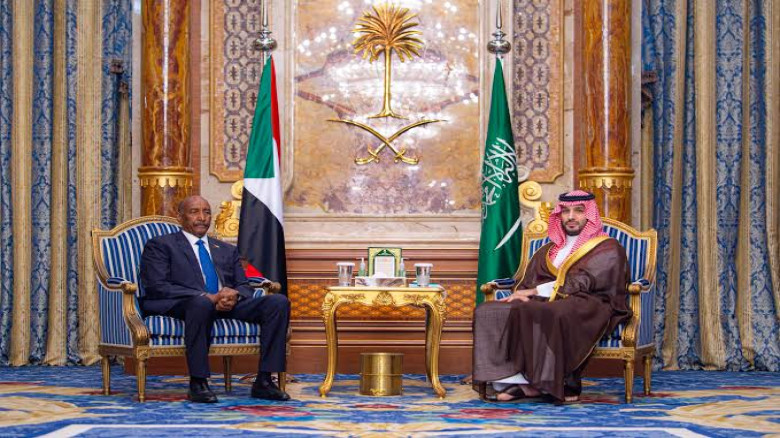
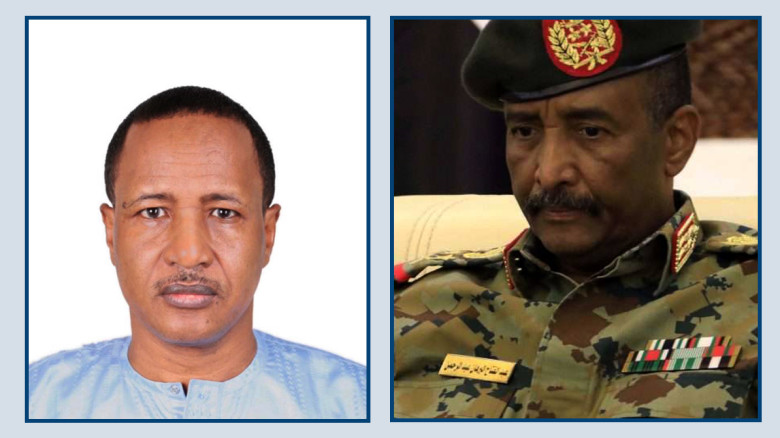
The sources report that the reserved stance of the President of the Sovereign Council, General Abdel Fattah al-Burhan, toward certain regional, international, and American initiatives stems from “regional promises” guaranteeing him that the Sudan file will be postponed until a new U.S. administration takes office after Trump’s departure.
They attribute the drafting of the proposal to Egypt and Turkey, describing Saudi Arabia’s role as “financial support” for the proposal, in contrast to the “American–Emirati role” in the current processes in Jeddah and Geneva.
Part Four: Calls to Accelerate the Solution
The sources conclude by urging the countries concerned with the Sudan file to accelerate the implementation of what has been agreed upon through regional and international mechanisms such as the Quartet and the Quintet, and to halt the resolutions of the Berlin Conference. They also call for pressure on decision-makers in the current U.S. administration to engage with the parties obstructing the ceasefire.
The sources warn that any further delay could “complicate the problem” and increase the complexity of the situation on the ground and the humanitarian crisis.


Leave A Comment