
.jpg)



















Alert on Petroleum Governance: Chad Faces the Specter of Nepotism
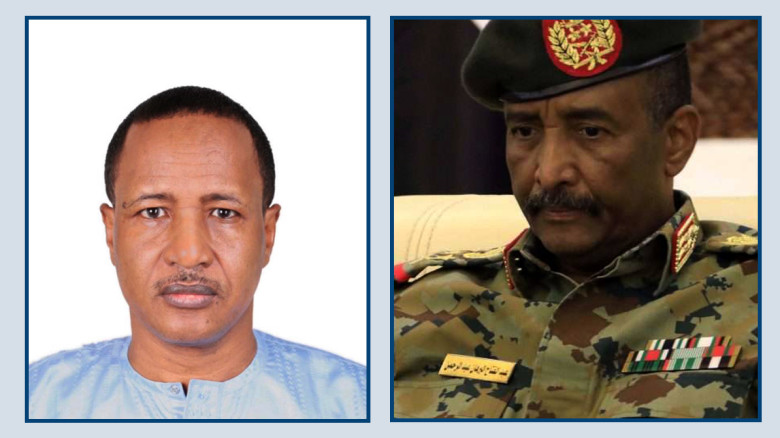
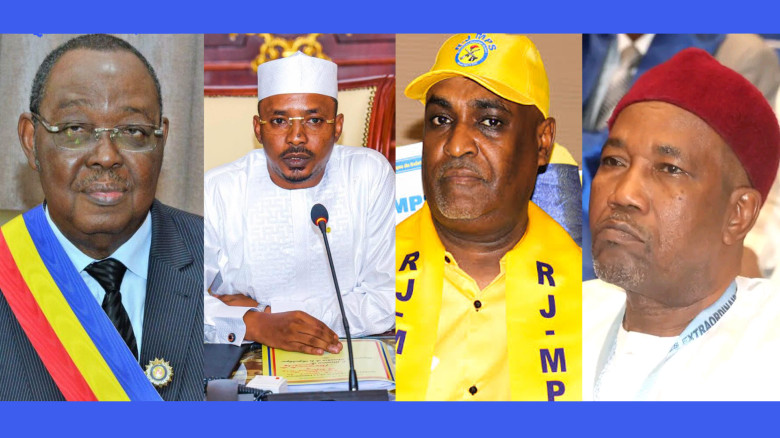
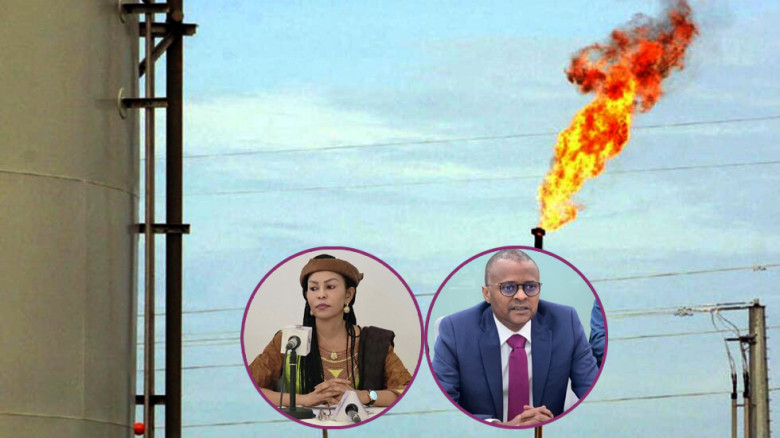
Image: Ms. Fatime Haram Acyl at the Ministry of Mines and Petroleum (left) and Mr. Tahir Hamid Nguilin, Minister of State for Finance, Budget, Economy, and Planning (right).By: Joe Le Mutant – Editorial Team #Charilogone
Chad’s petroleum sector, the backbone of the national economy, is entering a turbulent phase that has nothing to do with global market fluctuations. What is unfolding today is deeper, more structural, and far more alarming: a silent reconfiguration of power built around family networks and discreet alliances, where strategic decisions appear to be made far from official institutions. Behind speeches about modernization and reform, another reality emerges—one of a sector locked down, where nepotism and the concentration of power threaten to turn the country’s oil wealth into private property. A senior official summarizes the situation bitterly: “Oil is no longer a national resource; it has become a private hunting ground.”
The appointment of Fatime Haram Acyl as Minister of Mines and Petroleum was the first alarm bell. Not because of her qualifications, but because the Chairman of the Board of the Chad Petroleum Company (TPC) is her own younger brother, Ahmat Acyl. In the ministry’s corridors, some speak of a “family lock‑in”; others describe a “deliberate blurring of roles.” The ministry—supposed to regulate—finds itself intimately tied to the company it is meant to oversee. A visibly concerned TPC executive confides: “When the regulator and the regulated belong to the same family, who can still say no?” According to several staff members, this family proximity weakens oversight mechanisms, blurs responsibilities, and opens the door to decisions driven by private interests. Another executive, more direct, adds: “Everyone knows that some decisions no longer pass through offices—they’re made in private living rooms.”
Our correspondents have also gathered consistent information about a discreet operation unfolding behind the scenes: the selection and dispatch of a list of close associates abroad for training programs designed to prepare them for future positions within TPC. Current executives were not consulted, no competitive recruitment process was announced, and the administration’s actual needs were never assessed. A former ministry official, who claims to have witnessed similar maneuvers in the past, describes it as a “silent purge” aimed at gradually replacing experienced executives with individuals loyal to the ruling clan. “They’re not building skills—they’re manufacturing loyalties,” he says. If confirmed, such a strategy could transform TPC into a sealed structure, impervious to transparency and meritocracy.
But the matter does not end with the Acyl siblings. Behind them, another name repeatedly surfaces: Tahir Hamid Nguilin, Minister of State in charge of Finance, Budget, Economy, and Planning. According to several informants, he has become the indispensable figure behind all major economic decisions in the country, including those related to the petroleum sector. His influence—described as tentacular—extends far beyond his official mandate. “Nothing moves without his approval. Nothing,” asserts an economic adviser. Some speak of a centralized grip on national wealth; others mention privileged ties with the Minister of Mines and Petroleum. Several sources even accuse him of maneuvering to “Arabize and Goranize” the management of the country’s underground resources, allegedly with the blessing of Hinda Déby Itno. A ministry official, under anonymity, goes further: “The country is sliding into a captured economy. Those who control the oil control everything.”
Nguilin is also portrayed as an expert in organizing development forums—events often perceived as benefiting his network more than the Chadian population. “These forums are just decor. While the cameras roll, the real decisions are made elsewhere,” confides a regular participant. Meanwhile, many highly qualified Chadians working in international institutions remain excluded from major economic decisions. This fuels the perception that state institutions are being instrumentalized for the benefit of a small circle, at the expense of the public interest.
On the international stage, this configuration sends a troubling signal. Chad seeks to attract serious investors, reassure its partners, and stabilize its economy. But the perception of a petroleum sector plagued by favoritism, nepotism, and opacity risks undermining the country’s credibility for years to come. A foreign diplomat based in N’Djamena confides: “Investors don’t like uncertainty. And what they see here is a system locked down by private interests.” In such a strategic domain, even the appearance of a conflict of interest is problematic; its potential materialization becomes a threat to institutional and economic stability.
Chad cannot afford to turn the management of its natural resources into a private affair. Oil is a national heritage, not a family inheritance. Even if the competence of the individuals appointed is not in question, republican ethics demand avoiding any situation that could undermine public trust. Restoring transparency, strengthening checks and balances, and ensuring that TPC remains an institution serving all Chadians are urgent imperatives. As one Chadian economist puts it: “Oil can save the country or destroy it. It all depends on who holds it in their hands.”


Leave A Comment