




























CEMAC ADRIFT IN THE FACE OF THE ECONOMIC IMPACT OF THE WAR IN THE MIDDLE EAST
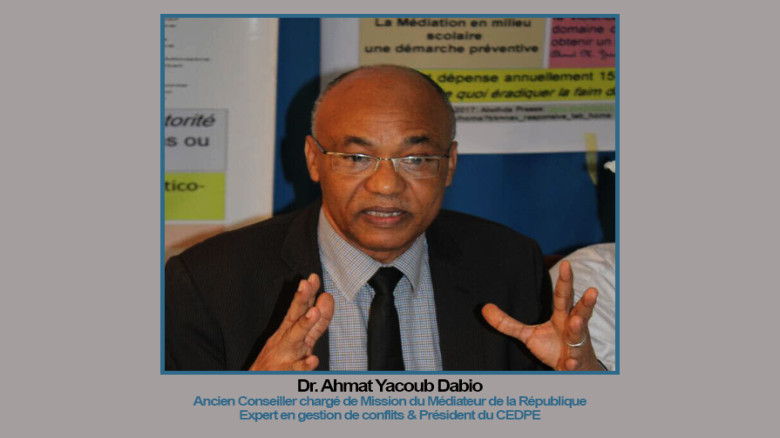
By: Djimadoum Mandekor, expert in economics and former Director Central of the BEAC – Charilogone Editorial TeamThe prolonged crisis triggered on 28 February 2026 around Iran has raised a wave of global concern. The surge in crude oil prices—from $72.5 to $112.5 on 20 March 2026, after reaching $115 on 9 March 2026—has heightened fears of strong repercussions on inflation and economic growth. Already, in countries where refined product prices are freely determined, prices are soaring. In Nigeria, for example, they increased by 20% in a single week as of 10 March 2026.
The surprising silence of CEMAC
While UEMOA and BCEAO officials reacted less than a week after the outbreak of the ongoing war in the Middle East, the lack of proactivity among national leaders concerned by these developments—as well as among the CEMAC Commission and the BEAC—likely stems from their optimism regarding the supposedly dominant positive effects of higher crude oil prices exported by five of the six member states, except the Central African Republic. Yet, with overall oil production trending downward, the surplus generated by crude oil and gas exports, compared to the total value of imports, may be limited. Inflation, if it becomes significant, could also trigger social tensions.
At a time when CEMAC countries—following the extraordinary summit of Heads of State in Brazzaville on 22 January 2026—should be adjusting their economic policies to prevent macroeconomic slippage, the outlook described above risks weighing on foreign exchange reserves. These reserves are already considered low, at 4.2 months of imports as of December 2025, given their dependence on volatile oil export revenues. This should be taken into account in their ongoing discussions with the IMF.
A reminder of the urgent need for genuine regional transformation
The lack of clarity regarding the direction of regional integration—highlighted by the suspension, announced on 5 February 2026, of part of the activities of community institutions, and by the hesitation surrounding a minor structure responsible for monitoring the CEMAC economic and financial reform program (PREF‑CEMAC), namely its Technical Secretariat—demonstrates the insufficient commitment of member states to the recovery and dynamic transformation of the subregion.
The recommendations adopted in Paris on 17 March 2026 during a CEMAC‑France meeting—which its organizers insist should not be seen as a continuation of the Franc‑CFA zone, now without UEMOA’s participation—are similar to the resolutions of the recent Brazzaville summit. They are unlikely to break the inertia that harms the populations of CEMAC. Without naïve optimism, a wake‑up call is still awaited.


Leave A Comment