





















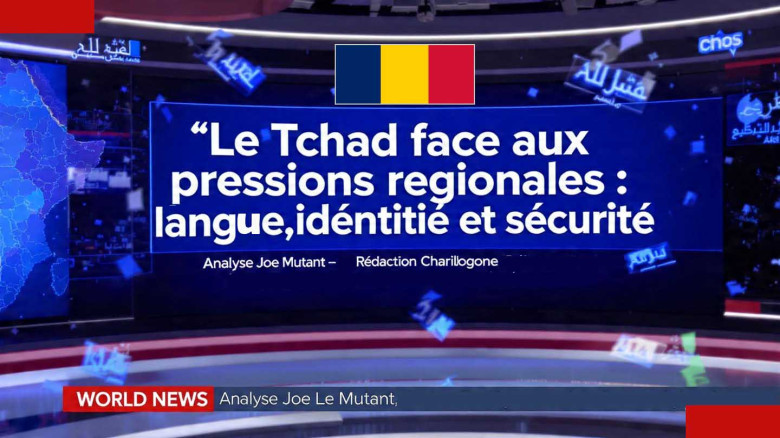
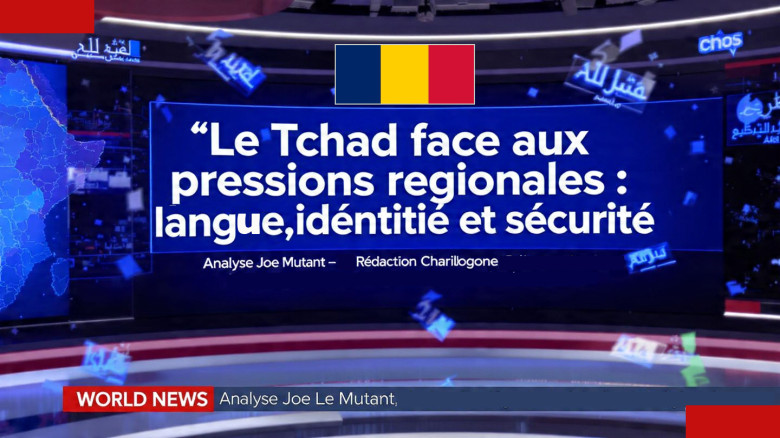
Chad Facing Regional Pressures: Language, Identity, and Security
By: ANALYSIS Joe Le Mutant – Charilogone Editorial TeamThe debate surrounding the role of the Arabic language in Chad and the possibility of the country joining the League of Arab States has resurfaced with renewed intensity. This issue, far from new, dates back to the era of Idriss Déby Itno, when Chad officially submitted its application for membership in the Arab League. Today, the Ministry of National Education’s decision to make Arabic instruction mandatory has reignited identity-based, political, and geostrategic tensions. Between diplomatic ambitions, linguistic challenges, fears of radicalization, and the assertion of an African identity, the country now faces a delicate choice that could shape its national and international future.
The question of literary Arabic in Chad and the possibility of the country becoming a member of the Arab League is an old and sensitive debate. During Idriss Déby Itno’s presidency, Chad officially submitted its membership request, which was positively received by member states. However, the regime chose not to formalize this membership due to the social and political tensions the initiative had triggered.
A large portion of the Chadian population perceived this move negatively, asserting their African identity above all else. This was despite the fact that some Chadians speak a local variety of Arabic, distinct from literary Arabic. This linguistic and identity difference fueled reluctance and debate over Chad’s integration into the Arab League.
During a visit by one of our journalists to the Arab League headquarters on Tahrir Square in Cairo, he met Dr. Maha Gad, head of African affairs within the organization. During the interview, she asked a direct question:
“Why did your country, Chad, refuse to formalize its membership in the Arab League when its application had been favorably received?”
Our colleague replied that the issue remains extremely sensitive, as Chadians do not consider themselves Arabs but Africans, even though part of the population speaks a local Arabic and remains fully Chadian in a country with more than 200 languages. It is precisely this identity sensitivity that likely led President Idriss Déby Itno to refrain from publicly announcing the country’s membership.
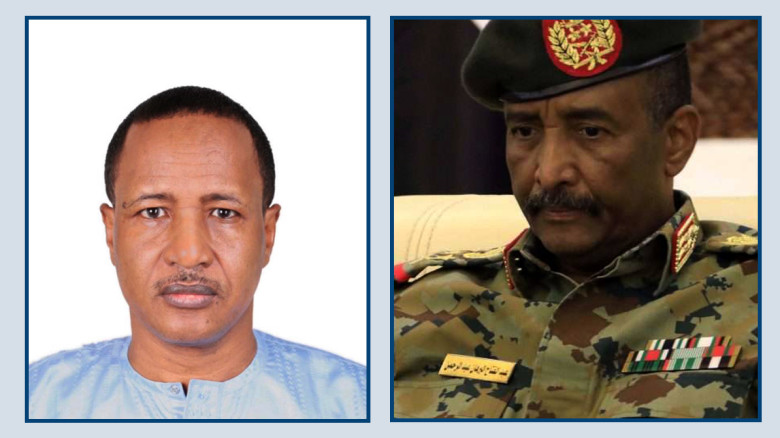
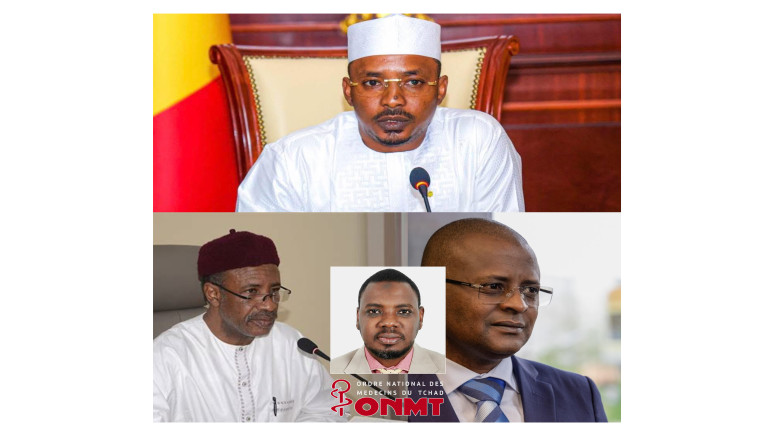
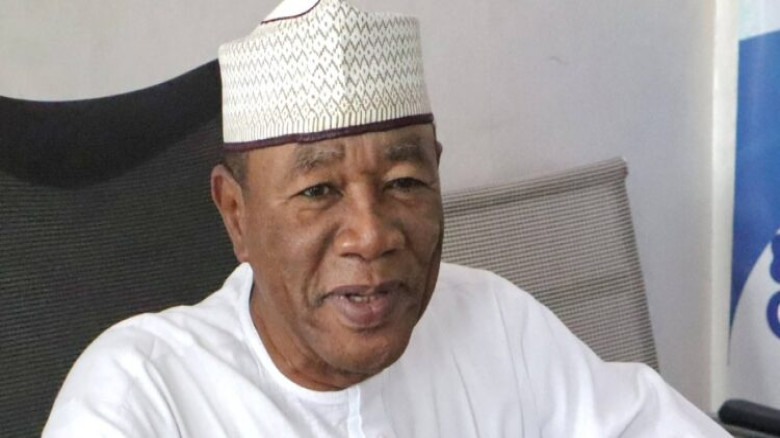
Dr. Mahamat-Ahmad Al Habo's circular of April 20, 2026: a controversial turning point
Learning an additional language undeniably enriches general culture. However, the idea of imposing it reminds some of colonial periods or practices linked to Arab and Western slave trades. The contrast is even more striking given that, despite the ministry’s title — which includes civic promotion — civic education itself has never been made mandatory, neither in primary school nor at university. Yet Chadians would greatly benefit from it to strengthen patriotism, as is the case in several West African countries.
A Poorly Calibrated Note and Security Concerns
The main fear expressed by some Chadians is that the mention of “Arabic language” may resonate with certain radical Islamist groups as an opportunity to promote a more rigid form of Islam, at a time when the world is facing particularly dangerous radicalism, as seen in Somalia, Sudan, Yemen, Lebanon, and Iran.
This decision could also be perceived as an indirect invitation to various international Islamist movements that may seek to establish their linguistic schools in Chad, while their real objectives could be radicalization and using the country as a support base in their ideological struggle against the West.
If Idriss Déby Itno chose not to formalize Chad’s entry into the Arab League, it was because he understood the risks linked to radicalization, both at the African and international levels.
A Risk of Ideological Alignment
A historical reminder is necessary: French is a foreign and official language in Chad, but it has never been made mandatory. History is stubborn: many Chadians refused to learn French, and neither the Chadian state nor the French colonial administration forced them to do so in the early 1900s. On the contrary, they were free to attend Quranic schools to learn Arabic, which many did.
External Influences and Regional Concerns
These observers believe the situation could become worrisome if certain national decisions are not reconsidered. According to these analysts, several media sources claim that a significant share — more than 75% — of the Sudanese army is composed of members or sympathizers of the Muslim Brotherhood, a movement that the U.S. administration of Donald Trump classified among terrorist organizations. These elements, often mentioned in public debate, fuel fears of a possible importation of ideological influences into Chad.
Conclusion
The debate over mandatory Arabic instruction and Chad’s potential membership in the Arab League goes far beyond linguistic issues. It touches on national identity, social cohesion, regional security, and the country’s diplomatic orientation. Between the desire to reinforce an imposed bilingualism, the risks of radicalization, geopolitical pressures, and the identity sensitivities of the population, Chad finds itself at a strategic crossroads. Any decision taken today could shape the country’s future, its stability, and its place on the international stage.
By: ANALYSIS Joe Le Mutant – Charilogone Editorial Team
.jpg)


.gif)
Leave A Comment