

.jpg)

















EU Moves on Al‑Misbah Tahlha as U.S. Ignores Sudan’s Islamist Issue
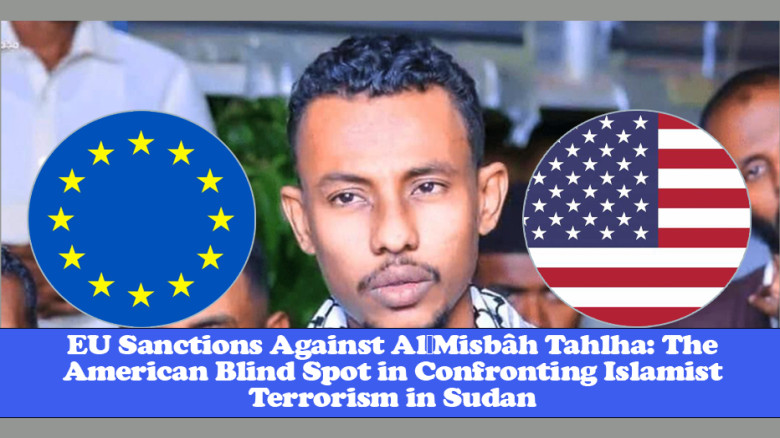
Photo: Al‑Misbâh Tahlha - Head of Katiba Al‑Baraa Ibn Malik
By: The Charilogone Editorial Team.
This omission is all the more concerning given that Sudanese Islamist networks maintain ideological or operational ties with groups such as Hamas, Hezbollah, and the Houthis, placing Sudan at the center of a regional ecosystem of radicalization. In this context, several observers argue that the United States should address the Sudanese case with the same seriousness applied to other extremist organizations in the region.
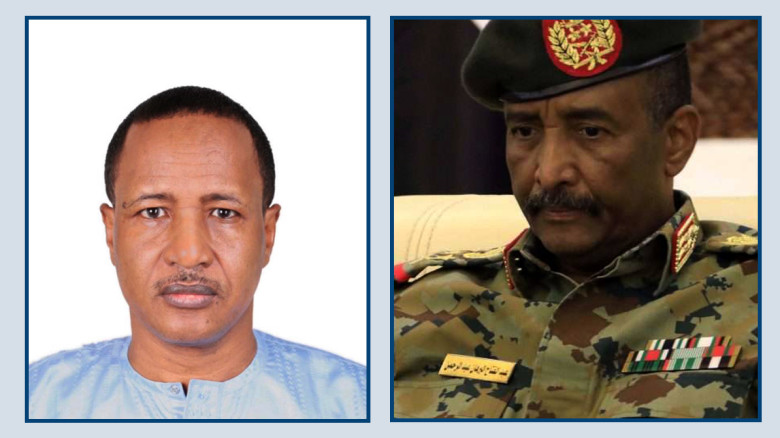
The paradox becomes even more striking when examining the position of certain Arab states. Egypt, Saudi Arabia, and others present themselves as staunch opponents of the Muslim Brotherhood within their own borders, while simultaneously offering political and diplomatic support to the Sudanese army led by General Abdel Fattah al‑Burhan—an institution whose internal structures remain heavily influenced by Islamist networks. This contradiction raises major questions: how can these countries claim to combat the Muslim Brotherhood at home while turning a blind eye to its active role within the Sudanese army?
The European sanctions against Al‑Misbâh Tahlha are based on documented evidence from human rights organizations and field testimonies. Katiba Al‑Baraa Ibn Malik has played a decisive role in spreading a radical religious discourse portraying the war as a “jihad” against designated opponents—a narrative that has fueled hatred, dehumanized civilians, and transformed the Sudanese conflict into a religious confrontation used to justify violence. The accusations against Al‑Misbâh Abouzeid include summary executions in areas such as Al‑Helfaya, north of Khartoum, where young civilians were killed based on unverified allegations of collaboration with the enemy, without any legal procedures or fair trials. These practices resulted in dozens of victims and prompted calls for independent investigations to establish accountability.
The abuses attributed to the katiba extend beyond killings. Acts of looting private property, destroying homes, and forcibly displacing populations have been reported during their military operations, turning terror into a tool of control and undermining any claim of protecting civilians. The involvement of these armed groups in radicalization, systemic violence, and social destabilization has worsened Sudan’s humanitarian catastrophe, weakened prospects for peace, and deepened religious and communal divisions.
Given this situation, many analysts argue that Sudan needs profound reform to rid itself of political Islam and the networks of the Muslim Brotherhood, whose influence now extends to other African countries, posing a threat to regional stability, population security, and inclusive development. Ignoring the central role of Sudanese Islamists in regional dynamics leaves a major gap in the fight against transnational extremism, at a time when the European Union is beginning to take targeted measures against its most influential actors.

.gif)


Leave A Comment