


.jpg)













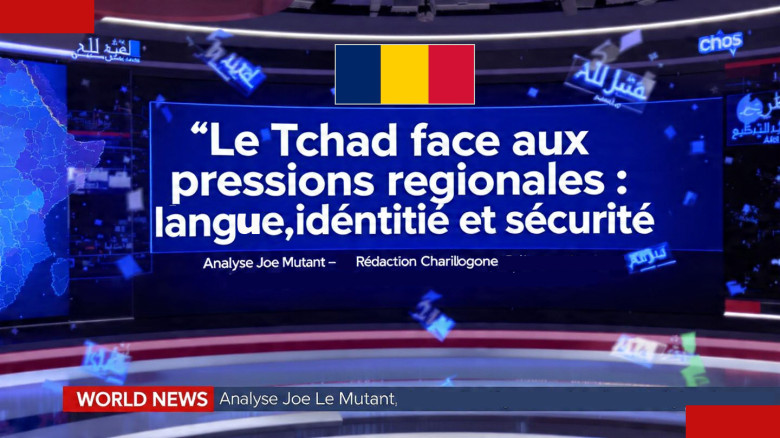




Chad: Psychopolitical Analysis of President Mahamat Idriss Déby Itno
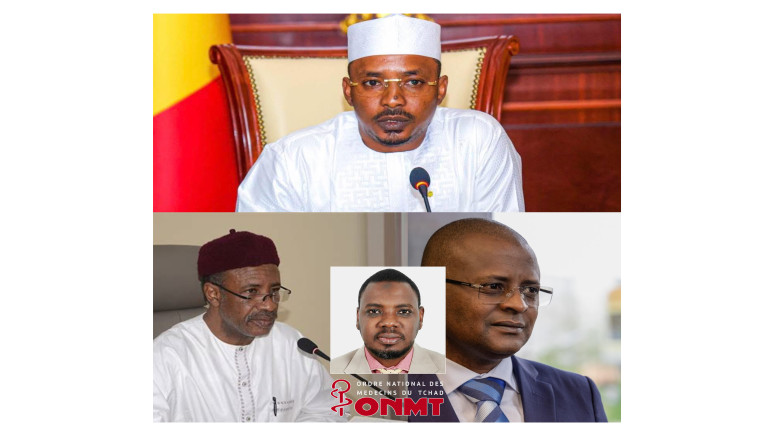
Image: The President of Chad, Marshal Mahamat Idriss Déby ItnoBy: Joe le Mutant – Charilogone Editorial Team
Since his unexpected rise to power following the death of Marshal Idriss Déby Itno, Mahamat Idriss Déby — known as “Kaka” — has continued to provoke questions and debate. Five years of transition have offered ample opportunity to observe his style of governance, his reactions to crises, and his manner of exercising authority. From these observations emerges a complex psychopolitical profile, revealing a young and intelligent leader, yet one deeply marked by mistrust, solitude, and an obsession with control.
Mahamat Déby undeniably possesses a strong capacity for rapid learning. He absorbs the advice of elders and technocrats, and his strategic support for Hemedti — despite international pressure — demonstrates a pragmatic political instinct. But this intelligence is accompanied by a pronounced cynicism: several close officers were demoted after private meetings with him, without any prior sign of tension. This method of ruling through surprise and fear creates an atmosphere of uncertainty around him.
His relationship with power is shaped by a strong sense of self‑preservation. Anyone perceived as a potential threat is pushed aside, whether political figures, military officers, or even family members: Manani, Salay, Dilo, Youssouf Boye, Masra, Bahr Itno, Daoussa Déby, Hinda Déby… The list is long. Loyalty only matters as long as it does not challenge his authority. This same logic appears in his treatment of the Zakawa generals, who played a decisive role in securing his succession but were sent into early retirement once they ceased to be useful.
Mahamat Déby also seems driven by a deep desire to surpass his father. Everything the Marshal failed to accomplish, he now attempts to impose — even through force. Military operations in Tibesti, particularly in Miski; attacks in Korbol involving village burnings and abuses attributed to the FIR; and the enforcement of the pastoral code in favor of herders all reflect a quest for legitimacy through displays of power.
His decision‑making style is often abrupt. For him, everything is a matter of power dynamics. His decisions are sudden, rarely deliberated, and sometimes contradictory. His acceptance of the French invitation to Paris — widely criticized — illustrates this political impulsiveness that weakens his image. Added to this are clear economic shortcomings: no significant measures have been taken to reduce the cost of living, whether on fuel or essential goods. His Finance Minister appears to present him with analyses he accepts without question.
His relationship with women is equally revealing: he never appears publicly in moments of intimacy or proximity with a woman, reinforcing the perception of a conservative — even distrustful — view of women’s roles in public life. At the same time, Mahamat Déby leads a solitary existence. Once he leaves the office, he isolates himself and stops answering calls until the next morning. This constant withdrawal suggests an introverted, anxious, or deeply mistrustful personality.
Finally, his affirmation complex is evident. He never improvises speeches, avoids press conferences, and does not trust his communication team, which he considers amateurish. He remains silent during major crises — such as the SET strike — leaving his ministers to handle matters alone, even when this damages his image.
The portrait that emerges is that of a young and intelligent leader, yet one trapped by fear, isolation, and a permanent need for control. His governance style — a mix of impulsiveness, cynicism, and extreme centralization — suggests that his evolution will be slow. According to this analysis, it may take several decades for him to acquire the political and human maturity needed to meaningfully transform the daily lives of Chadians — a period longer than his father’s time in power.
For his supporters, he remains a “guiding light.”
For his critics, he is merely a president in training, confined within a circle that protects him as much as it weakens him.


Leave A Comment