.jpg)








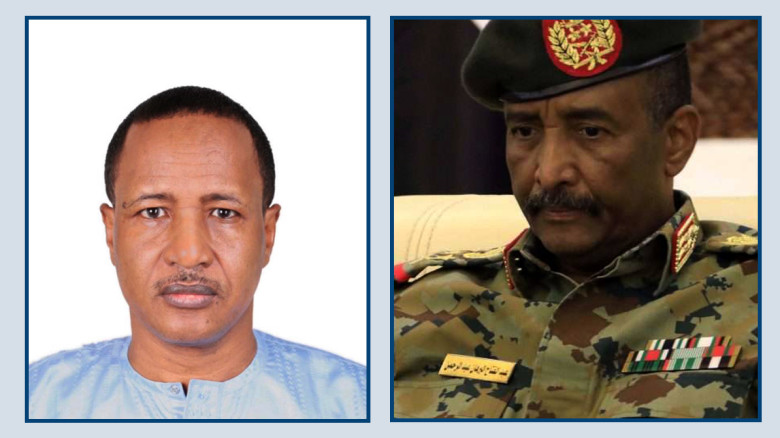
















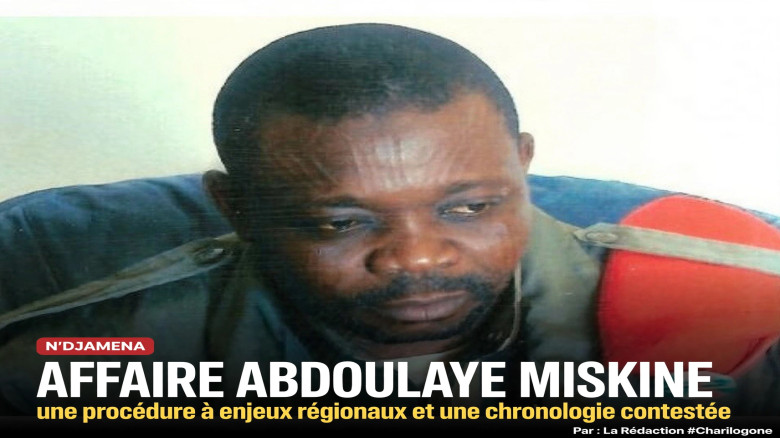
Affaire Abdoulaye Miskine: A Legal Case with Regional Implications and a Disputed Timeline
A major judicial milestone is approaching in Chad, in a case that has drawn attention far beyond national borders. The Abdoulaye Miskine affair, involving a military figure known for his role in the Central African crises, is returning before the courts amid strong expectations: the hope for a long‑awaited trial, a clarification of the facts, and a rigorous examination of a timeline that has been contested for years.This hearing, closely watched by regional observers, human rights advocates, and political actors, could help shed light on the security dynamics of Central Africa and offer an opportunity to clarify facts often obscured by a decade of conflict.
The first criminal chamber of the High Court of N’Djamena is scheduled to examine, on 24 August 2026, the case of Martin Koumtamadji, also known as Abdoulaye Miskine.
The case, registered under number 093/22, involves four defendants: Abdoulaye Miskine, Adoum Rakhis, Ringo Djouma, and Abdel‑Aziz Gros.
The Chadian State has joined the proceedings as a civil party.
The charges relate to alleged acts linked to insurrection movements, kidnappings, unlawful detentions, serious abuse, killings, sexual violence, and extortion of property.
Arrested in N’Djamena in November 2019, Abdoulaye Miskine has been held for more than six years without a final judgment. The case has seen multiple postponements, while his lawyers and family continue to express concern about his health.
The hearing on 24 August marks a new stage in a case with regional ramifications, connected to years of conflict in the Central African Republic and the trajectory of the FDPC.
A central point of debate concerns the timeline of events.
In 2003, Abdoulaye Miskine was officially in exile in Togo, before later relocating to Khartoum in 2006. This raises a major question: how could he have been present in the Central African Republic during the same year to commit the alleged abuses and the extortion of 18 million FCFA attributed to him?
According to several sources close to the case, major tensions surrounding General Miskine emerged in 2013, when he reportedly refused the radical Islamization of the Central African Republic within the Séléka coalition.
This refusal is said to have caused a rupture with some of his former allies, becoming a point of political and military friction.
These same sources believe that this ideological divergence contributed to his isolation, followed by his arrest in Chad, while additional accusations — including alleged abuses — may have been attributed to him in a wartime context where responsibilities are often difficult to establish.
The defendants remain presumed innocent until a final judicial decision establishes their guilt.
By: The #Charilogone Editorial Team


.gif)


Leave A Comment