.jpg)
















THE QUESTION OF THE ARMY IN CHAD
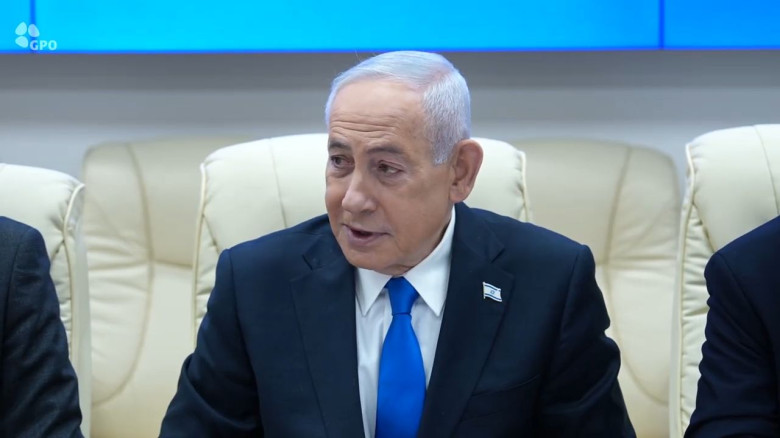
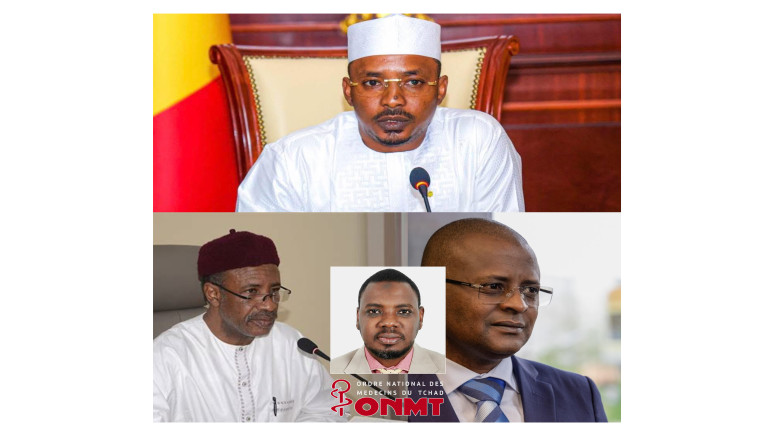
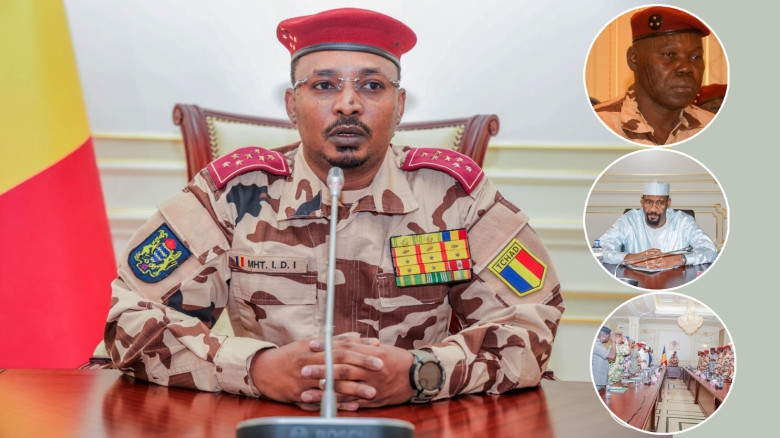
Image: The President of the Republic, Head of State, Supreme Chief of the Armed Forces, Marshal Mahamat Idriss Deby Itno, convened a Defense and Security Council meeting on the night of March 18, 2026, at the Palais Toumaï.By: Joe the Mutant – Charilogone Editorial Team
The question of the army in Chad remains one of the most sensitive and decisive issues for the future of the country. For several decades, political crises, armed conflicts, and ethno‑regional rivalries have deeply transformed what should have been a republican institution into an instrument of power serving restricted groups. The following text offers a critical reflection on the evolution of the Chadian army, its deviations, its internal fractures, and the dramatic consequences for national cohesion.
In 1979, Chad plunged into a war that initially opposed the North and the South, then Muslims and Christians. This crisis led to the emergence of eleven politico‑military factions, encompassing all ethnic groups, as early as 1980.
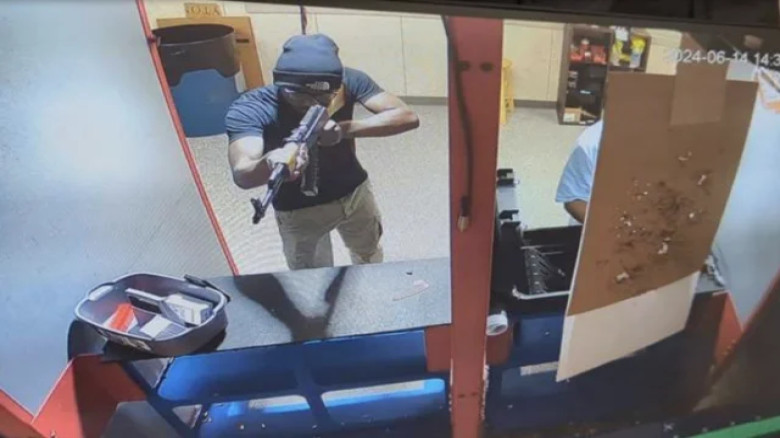
In reality, we refuse to see it and to say it, but the Chadian National Army no longer exists today. After forty‑six years of domination by the sons of the BET (Borkou, Ennedi, Tibesti), we are now facing ethnic and militarized militias.
If we reason in ethnic terms, the Toubous and the Goranes stand on one side, and the Zaghawa‑Béri of the Ennedi on the other. According to recent information, the army would have 619 generals, 85% of whom come from Wadi Fira North, Ennedi East, and Ennedi West.
In Chad, our army has more officers than soldiers. It may well be the army with the highest number of illiterate officers in the world. We have even broken a Guinness record, for once.
For forty years, these three ethnic groups have spent their time killing Chadian populations from North to South, from East to West. Hence the legitimate question that arises:
What are the other ethnic groups doing in this army?
I am referring here to the Sara in general, the Hadjaraï, and the few Arabs who serve in it.
Their villages are burned, and they do not react. Their parents are killed, and they remain silent as fish. They are assigned subordinate tasks and, worse, kept at the rank of non‑commissioned officers for twenty to thirty years. They say nothing.
Logic would suggest that they leave this profession, but no: they remain there, “unknown to the battalion.”
Ordinary Chadians wonder why they walk proudly in a military uniform that has become degraded in the eyes of the population.
Only they know the answer.
To the point where civilians from their own regions rise up to defend their lands, rebelling against the abuses and violations committed by the Déby regime.
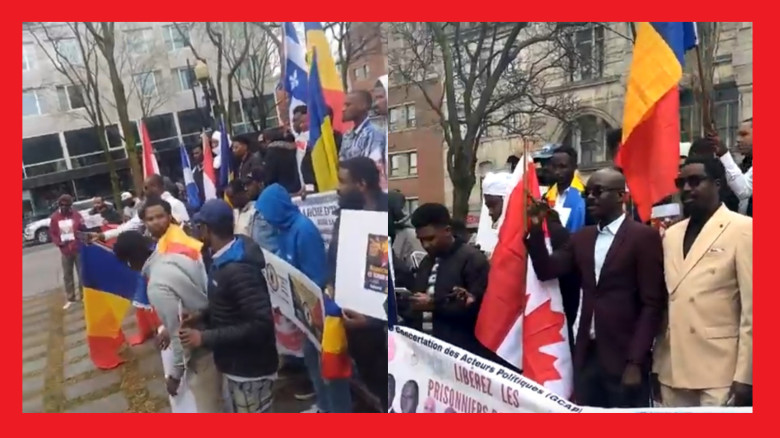
Chadian civil society, Chadian women, and Chadian youth played their part by taking to the streets on October 20, 2022. Despite the massacres they witnessed, the southern soldiers kept their heads down and their backs bent.
Many say that southern soldiers are the intellectuals of the army, and therefore they work in fields such as medicine, civil engineering, strategy, map reading, etc.
Final warning:
With the drone attack on the population of Tinè on March 17, 2026, do not come and tell us that it was the “southern intellectuals” of the army who mistakenly targeted civilians and caused this carnage. Such an excuse would once again trigger killings in the southern neighborhoods of N’Djamena, as well as another attack in Korbol and in Guéra.
A time will come when you will no longer be able to return home, because your wives and children will be waiting for you with sticks. You will only enter your home if you leave your military uniforms at the door.
This situation has lasted for more than forty years.
Behave like men, not like omelettes.
By: Joe the Mutant – Charilogone Editorial Team


.gif)

Leave A Comment