

.jpg)


















Chad: Max Kemkoye Clarifies His Situation After His Presidential Pardon
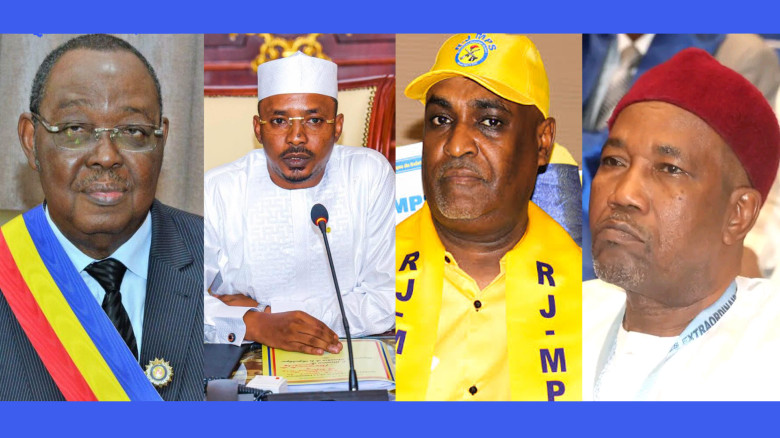
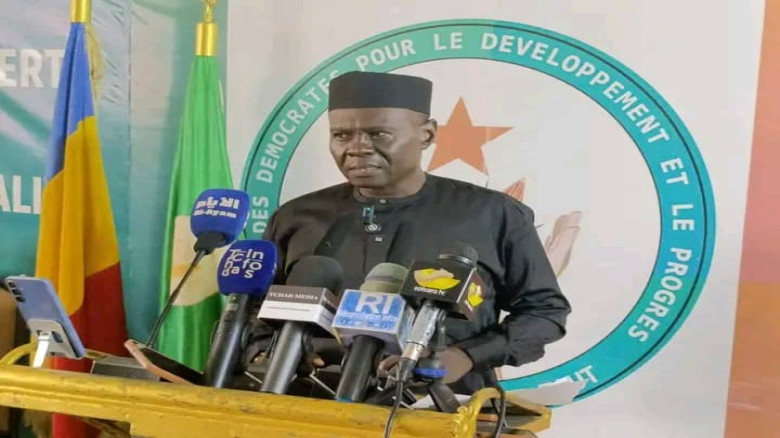
The national president of the Union of Democrats for Development and Progress (UDP), Max Kemkoye, held a press conference on September 26, 2026, at the national headquarters of his party in N’Djamena. The event focused on his release and its legal and political implications. In a document presented to the press, he revisits the circumstances of his arrest, conviction, and release, while raising several questions about the process that led to his liberation. He notably mentions an eight‑year prison sentence handed down on June 1, 2026, accompanied, according to him, by a fine of 500,000 CFA francs, before his release a few months later. He also questions the presence of certain media outlets during his release, even though they had been excluded from the hearing that resulted in his conviction.From a legal standpoint, Max Kemkoye disputes the interpretation that his conviction would automatically result in the loss of his civic and political rights. Relying on several provisions of the Chadian Penal Code, particularly Articles 16, 17, 27, and 41, he argues that the June 1, 2026 decision was not accompanied by any accessory penalties and therefore asserts that he is not affected by Article 11 of Law No. 032/PR/2019 of July 22, 2019, on the Charter of Political Parties. He believes that this article mainly concerns the conditions for creating and organizing political parties, and not the situation of leaders of already established political formations. He thus affirms that he fully retains his rights and his ability to serve as president of the UDP.
In his statement, the UDP president also claims the status of political prisoner, referring to the definition attributed notably to Amnesty International. He asserts that he has never been prosecuted or convicted for common‑law offenses and therefore rejects any classification as a common‑law prisoner. He also mentions the situation of other detainees, including individuals convicted in the Mandakao case, religious figures, senior officials, and entrepreneurs, some of whom are still detained. He calls for the organization of mobile court hearings so that the cases of detainees can be examined individually.
Finally, Max Kemkoye discusses the consequences of his conviction on his participation in upcoming electoral events, citing Article 5 of Law No. 005 of November 4, 2024, on the Electoral Code. He believes that the provisions applied to his case could have implications for candidacies in various elections. He also announces that the matter could be brought before several international bodies, including the United Nations, the European Union, and mechanisms based in Geneva.
In his document, he also calls on the President of the Republic regarding the situation of detainees at the Klessoum prison and advocates for hearings that would, in his view, allow for a re‑examination of the detainees’ cases.
By: CHARILOGONE Editorial Team


.gif)


Leave A Comment