.jpg)



















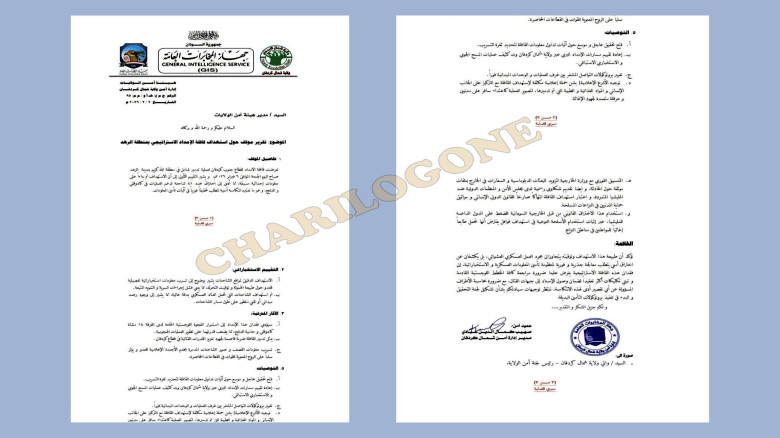
Sudan: A Convoy Classified as Humanitarian Was Transporting Military Equipment
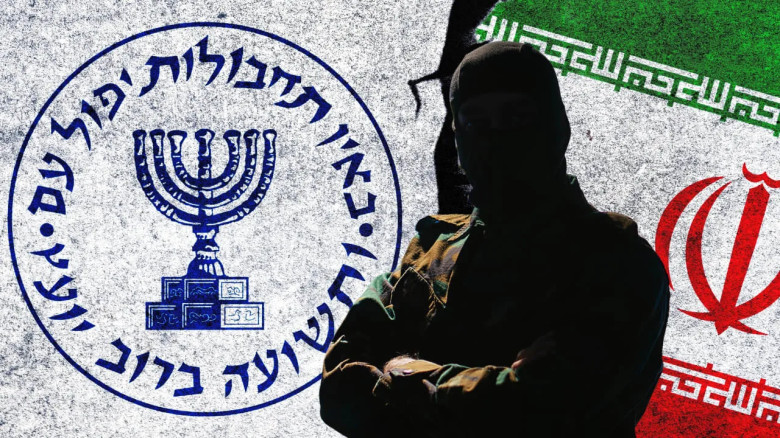
Image: Official rating given to the Sudanese National Security Service (GIS)
By: Analysis from the Charilogone Editorial Team
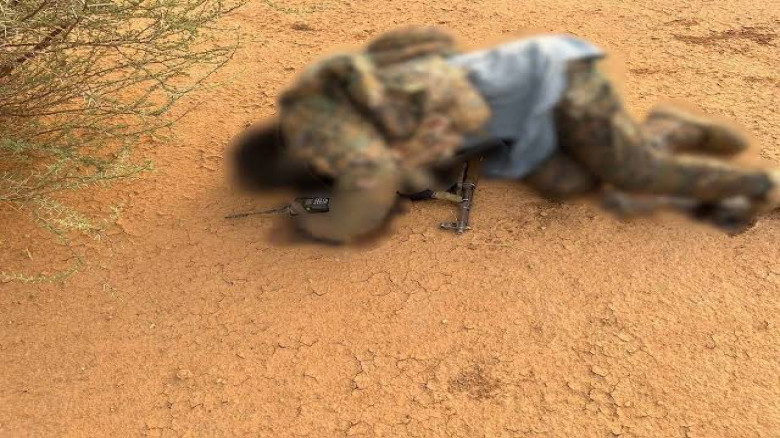
A series of recently leaked documents and testimonies sheds new light on the true nature of a convoy targeted in South Kordofan. While the Port‑Sudan authorities claimed it was a humanitarian aid caravan, several elements indicate that it was in fact transporting military equipment. These revelations, reported by various media sources, fuel a growing debate over the use of humanitarian cover in the Sudanese conflict.
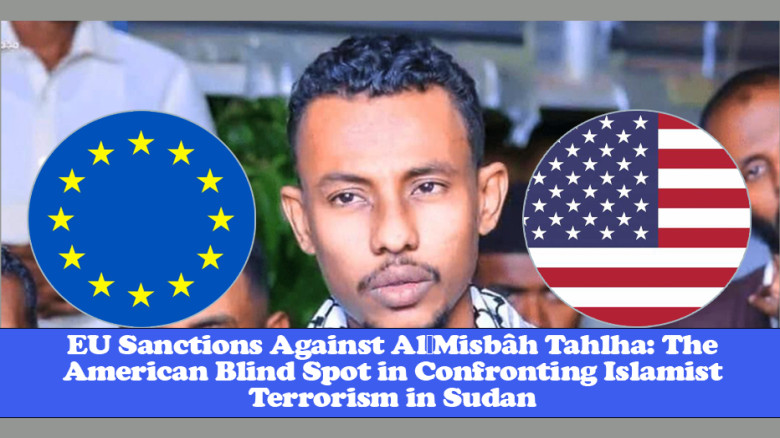
The adviser to the commander of the Rapid Support Forces, Al‑Basha Tabiq, accuses the security and intelligence service of the Islamic movement of using the logos of international organizations to transport weapons. According to him, leaked secret documents showed that the trucks recently targeted on the Kosti–Al‑Abyad road were carrying military equipment destined for the cities of Dalang and Kadugli, and not humanitarian aid as publicly announced.
Tabiq states that the seized documents contained direct instructions addressed to the Ministry of Foreign Affairs in Port‑Sudan and its affiliated media, aimed at deceiving diplomatic missions and donors by claiming that humanitarian convoys had been attacked. He described these practices as “systematic lies” and a blatant violation of international humanitarian law, warning of the danger of using the logos of international organizations to transport weapons, including chemical weapons. According to him, exploiting humanitarian aid as military cover is a serious crime that requires an urgent international investigation.
An official intelligence memo attributed to the Sudanese National Security Service reinforces these accusations. It reveals that the caravan targeted in the Al‑Rahd area of South Kordofan was not a humanitarian convoy, but was transporting shipments of sophisticated weapons and ammunition intended for government forces. According to a document published by the British website UKNIP, the caravan had been publicly presented as carrying humanitarian and relief supplies to facilitate its passage through an area of intense military activity. In reality, it contained military equipment intended to reinforce troops deployed in the region.
The document confirms that the Rapid Support Forces carried out the operation that destroyed the convoy, after monitoring its movements and confirming the military nature of its cargo. This contradicts the initial version claiming that a “humanitarian aid convoy” had been attacked. The intelligence data reveals a notable contradiction between the official narrative and the internal classification of the convoy, which was listed as transporting “sophisticated weapons and ammunition.”
Several observers believe that if this information—difficult for the Port‑Sudan government to contest—proves accurate, it exposes a dangerous practice of exploiting humanitarian action for military purposes. Such a method endangers genuine relief convoys, humanitarian workers, and the principle of neutrality essential to relief operations in war zones. These revelations also raise legal and ethical questions regarding the respect of international humanitarian law, which prohibits the use of humanitarian symbols as cover for military operations.
While no detailed official comment has yet been issued to explain the contradiction between the announced version and the content of the document, the incident reflects the complexity of the military and media landscape in South Kordofan. Questions remain about how frequently such practices occur, their impact on the trust of the international community and humanitarian organizations, and whether this case will lead to calls for an independent investigation to determine whether humanitarian aid has been used as cover in military operations in Sudan.
By: Analysis from the Charilogone Editorial Team


Leave A Comment