
.jpg)































Ethiopia Now Prints Its Own Currency: A Major Turning Point Toward Economic Sovereignty
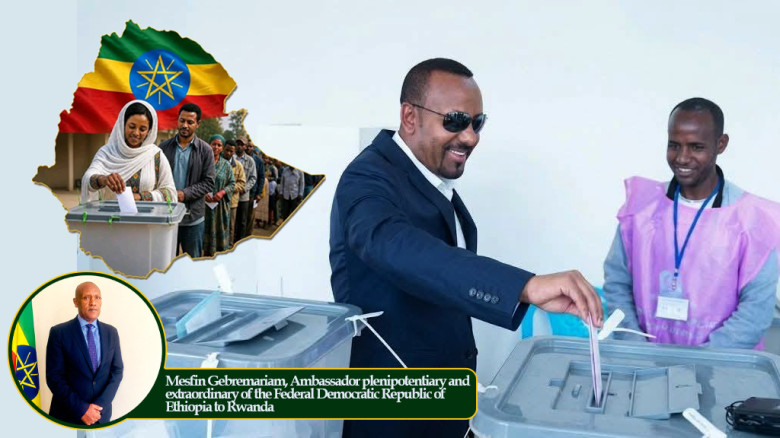
Image: Ethiopian Prime Minister Dr. Abiy Ahmed
Ethiopia has taken a historic step by announcing that it will now print its own banknotes and mint its currency domestically. This decision ends several decades of dependence on foreign companies for the production of the birr and marks a strategic shift in the country’s pursuit of economic sovereignty.
During the Finance Forward Ethiopia 2026 conference, Prime Minister Abiy Ahmed emphasized that controlling monetary production is one of the essential pillars of national independence. Until now, the National Bank of Ethiopia relied on foreign printers — notably in the United Kingdom — a costly and risky arrangement that contradicted the ambitions of a state seeking full control over its economic levers.
Responsibility for this mission has been entrusted to Ethiopian Investment Holdings (EIH), Africa’s largest sovereign wealth fund, which already oversees more than forty public enterprises. Developing a national capacity for currency printing is part of a broader strategy aimed at internalizing critical infrastructure, reducing external dependency, and strengthening the country’s economic resilience.
With this initiative, Ethiopia joins the Democratic Republic of Congo, Kenya, and about a dozen other African nations that have chosen to produce their own currency. This continental trend reflects a growing desire to break away from post‑colonial dependency mechanisms, reduce import‑related costs, and secure national financial systems.
For the Charilogone editorial team, this decision is more than a technical adjustment: it is a revolutionary act. It paves the way for a more autonomous development model, strengthens the state’s ability to manage its economy, and sends a powerful signal to the entire African continent.
Ethiopia demonstrates that a nation can reclaim control over its strategic tools and chart its own course, despite external pressures and regional challenges.
By: The Charilogone Editorial Team


.gif)
Leave A Comment