





































Violations in the Kanabi: They Slaughtered the Men and Confiscated Women’s Identity Documents
Attacks on Village 34, Al-Faw – December 2025 – Kanabi ConferenceWith Kanabi: Al-Jazira, January 20, 2026 – Radio Dabanga
Women in the Kanabi communities suffer from multilayered oppression—economic, social, and political. However, this suffering has multiplied to an unbearable level and has begun to directly threaten their physical safety following the withdrawal of the Rapid Support Forces (RSF) from Madani and the entry of the Sudanese Armed Forces into the city.
This was stated by Fatima Andaga, Head of the Women’s Secretariat of the Central Kanabi Conference, in an interview with Radio Dabanga, addressing the situation of women amid the ongoing war.
In February of last year, Human Rights Watch stated that the “Sudan Shield Forces,” an armed group fighting alongside the Sudanese army, deliberately targeted civilians and civilian property in an attack on January 10, 2025. The organization said these acts constitute war crimes, and that some of them—such as the deliberate killing of civilians—may also amount to possible crimes against humanity.
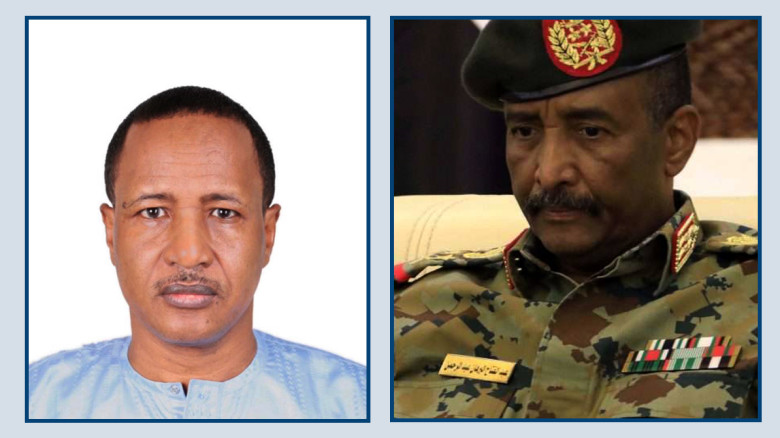
In July of last year, the European Union imposed sanctions on Abu Aqla Keikil, a commander of the Rapid Support Forces, for targeting the Kanabi—marginalized villages constructed from basic materials and surrounding major cities in Al-Jazira State, which hosts the country’s largest agricultural project.
Racially Motivated Targeting
At the beginning of her statement, Fatima Andaga said:
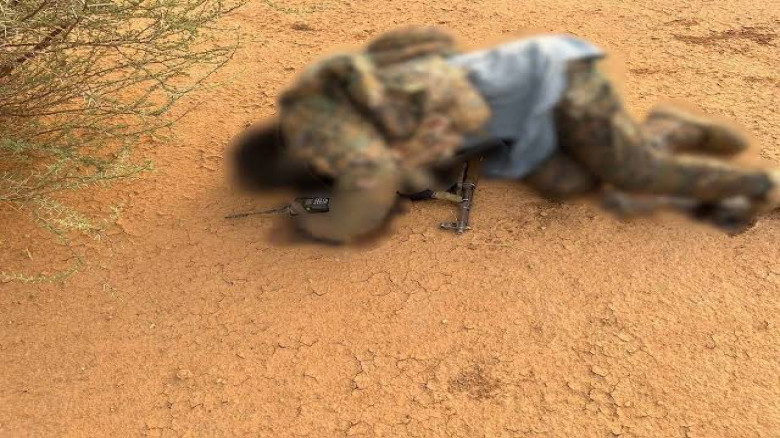
She described how soldiers slaughtered men on the spot, stripped women of their identity documents, and looted whatever they could seize. This forced Kanabi residents—men and women alike—to flee and hide in agricultural fields. She recalled that at the time, corn seedlings were still in their early stages and did not provide sufficient cover, forcing men to lie flat between irrigation furrows to remain hidden from view.
Radio Dabanga was unable to immediately reach the official spokesperson of the Sudanese army or the Sudan Shield Forces led by Keikil for comment on these allegations.
Fatima Andaga firmly denied any connection between Kanabi residents and cooperation with the Rapid Support Forces:
Harsh Treatment and Women’s Suffering
Fatima Andaga explained the harsh treatment faced by Kanabi residents after the army’s entry, with women suffering in particular. Childbirth often occurs without any medical assistance, and there is a complete lack of transportation to reach safer areas. Children are sometimes prevented from attending schools designated for village residents. Even obtaining basic daily necessities is extremely dangerous, as Kanabi settlements lack large markets, and traveling elsewhere to purchase goods poses serious risks. The absence of transportation further intensifies the suffering.
She added:
Discrimination at Checkpoints (“Strange Faces Law”)
Fatima Andaga recounted her experience with what is known as the “Strange Faces Law”:
Activists consider the “Strange Faces Law” to be an unwritten rule under which citizens are targeted based on ethnic appearanc
Looting and Home Invasions
In the South Belt area, Fatima described a different kind of suffering. Most residents there live in privately owned homes. During inspection patrols, soldiers entered houses without any justification. If a house appeared poor and modest—such as a single-room dwelling—but contained clean or good-quality furniture, residents were accused of stealing it from nearby affluent neighborhoods. In most cases, soldiers confiscated anything they considered valuable.
She concluded with bitterness:
Forced Evictions and Demolitions
In this context, it is worth noting that on June 19, the Director of Government Land Protection in Al-Jazira State issued a decision calling for “the removal of distortions and illegal housing in targeted areas across all localities of Al-Jazira State,” and demanded that “all residents in the targeted areas arrange their situation and voluntarily remove encroachments within 72 hours from the date of the announcement.”
In Khartoum, particularly in various gatherings and neighborhoods in the South Belt area, homes were also demolished and tens of thousands of citizens were displaced without prior notice or alternative housing. This action was met with widespread criticism from human rights defenders and activists.
.jpg)


Leave A Comment