






























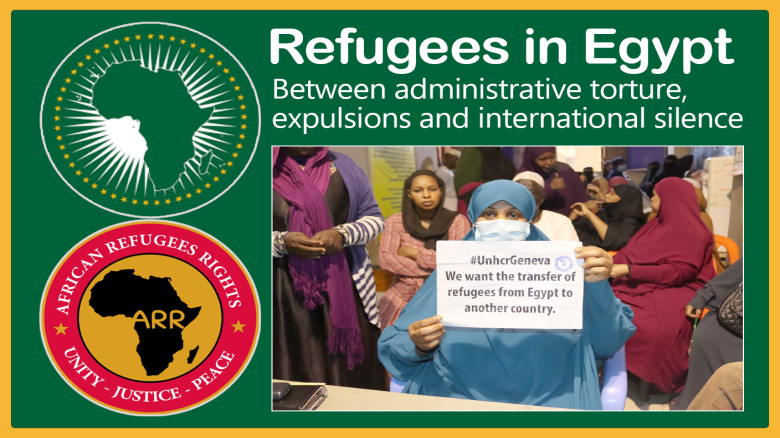
Refugees in Egypt: Between Administrative Torture, Expulsions and International Silence
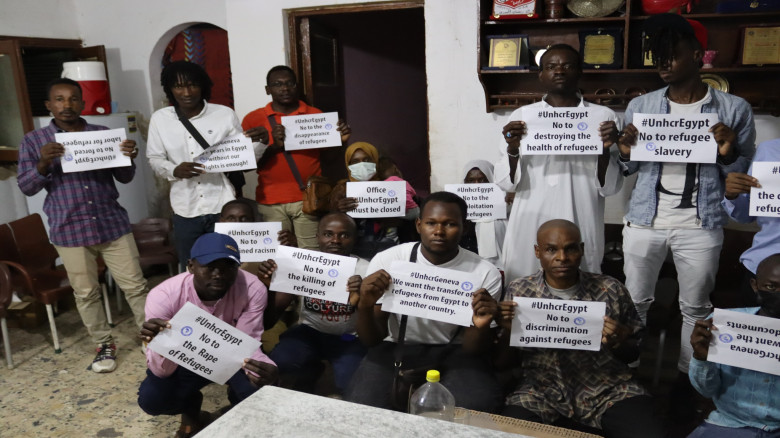
By: Alfred Camus DJASNAN, Journalist and President of the African Refugees Rights InitiativeThe situation of asylum seekers and refugees in Egypt is deteriorating at an alarming rate. In recent weeks, Egyptian authorities have intensified crackdowns on individuals who do not possess a valid residency permit, even though obtaining or renewing this document requires payment. For refugees living in extreme poverty, gathering the required fees is simply impossible. This financial incapacity exposes them directly to arrest, detention, and in some cases, expulsion.
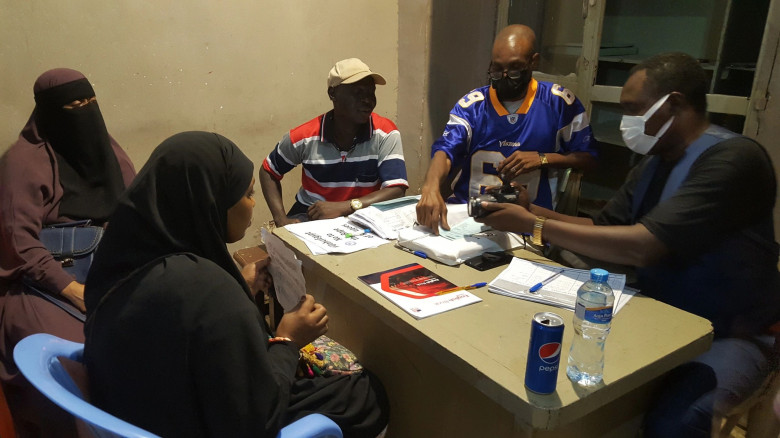
Another form of psychological pressure adds to this ordeal: the issuance of residency permits. According to numerous testimonies, Egyptian immigration services and UNHCR impose waiting periods ranging from one to two years for obtaining or renewing residency. For many, this endless wait—without any guarantee of approval—constitutes a genuine form of psychological torture. How can a system that forces refugees to wait years for a document meant to protect them be described otherwise?
Information gathered and verified directly from refugees reveals an even more troubling reality: even those who hold recognized refugee status and valid residency permits are being arrested and expelled. This is particularly true for many Sudanese refugees. Once deported to Sudan, they are, according to multiple consistent testimonies, forced to join the Sudanese army. Those who refuse face imprisonment. These practices raise serious concerns regarding Egypt’s compliance with its international protection obligations.
Egypt, despite being a signatory to the 1951 Geneva Convention and its 1967 Protocol, operates an asylum system widely criticized for its inefficiency and coercive nature. One of the most blatant violations concerns the refusal to issue travel documents to refugees, preventing them from leaving the country. This restriction, contrary to international norms, traps refugees in a form of administrative confinement that many describe as “modern slavery,” carried out openly before the international community.
The African Refugees Rights Initiative, through its president Alfred Camus Djasnan—himself a victim of forced expulsion from Egypt—strongly condemns these violations. Expelled with the alleged complicity of UNHCR Egypt and the Chadian government, he has been living in Rwanda for more than two and a half years without being able to restore his legal status despite repeated efforts. His case illustrates the deep dysfunctions of the Egyptian asylum system.
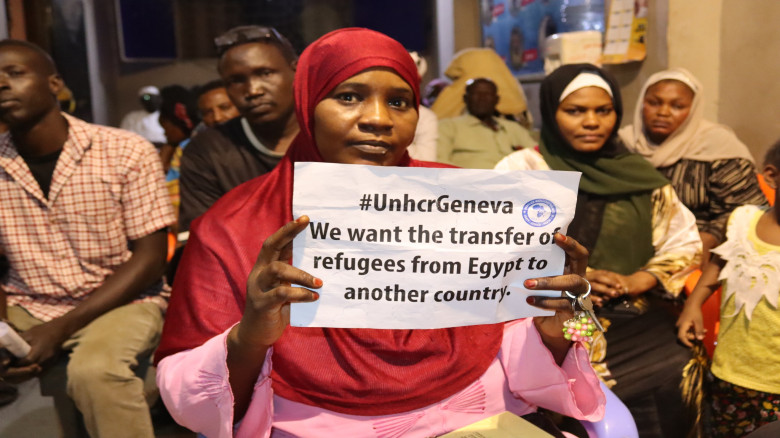
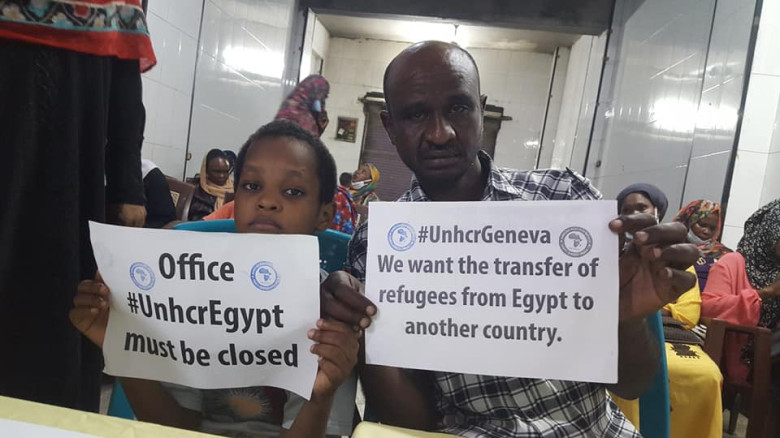
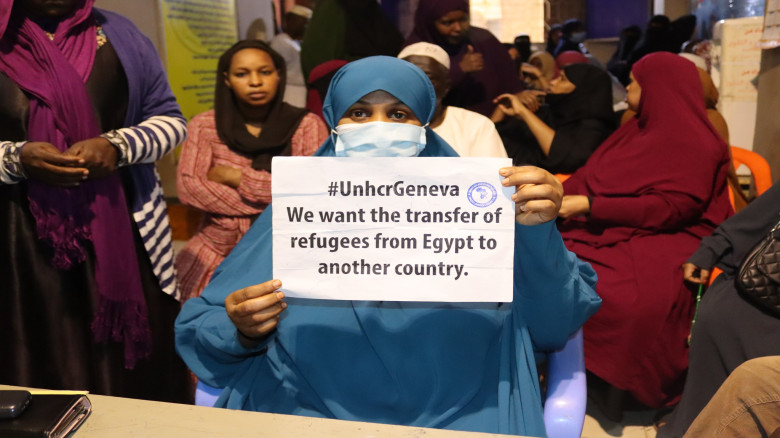
In light of this situation, a fundamental question arises: why does the international community remain silent? Why does the African Union—despite receiving petitions signed by more than 1,000 African refugees in Egypt requesting relocation to any safe country—take no position? Refugees are simply asking for the right to travel, a right guaranteed by Article 14 of the Universal Declaration of Human Rights, yet Egypt systematically denies them the travel documents required to exercise this freedom.
The African Refugees Rights Initiative therefore calls on international organizations, human rights defenders, and relevant institutions to act urgently. The practices described constitute, according to the organization, a grave violation of fundamental rights and may amount to crimes against humanity. It is imperative that international actors demand Egypt’s compliance with its obligations and ensure the protection of refugees in accordance with international law.
By Alfred Camus DJASNAN, Journalist and President of the African Refugees Rights Initiative

.jpg)


Leave A Comment