
































Sudan: The Islamist Movement Creates a Security Force to Counter the International Truce
By: Mohamed Ali Al-Kilani, Director of the Sahel Conflict Observation Center – Charilogone Editorial Team
Port‑Sudan: 11 February 2026
Special report on the plan behind the security cell… The Islamist movement’s tool to circumvent the Quartet’s truce.
Source: leaked documents from the General Secretariat of the Islamist Movement and the office of the Director of the General Intelligence Service.
1- Secret documents have revealed a carefully crafted plan by the Sudanese Islamist movement to circumvent international pressure and the Quartet’s decisions aimed at removing its members from the political scene and security institutions. The plan is based on creating a military and security body that had already been operating covertly for several months, and transforming it into a legal entity under the name Joint Security Cell, intended to become the real instrument for controlling the levers of the state.
2- The leaked information indicates that this security cell had existed and operated on the ground for several months without any official legal framework. However, the rapid push to adopt internal regulations came after intelligence services affiliated with the Islamist movement received information that the adviser to the U.S. President, Mossad Boulos, had informed international actors that the Quartet countries had approved an imminent humanitarian truce containing a key clause: the complete exclusion of Islamists from the political scene, as well as from the armed forces, the police, and the executive branch.
3- This leak prompted the General Secretariat of the Islamist movement to issue an urgent directive dated 3 February 2026, ordering the immediate drafting of regulations governing the cell’s operations to ensure immunity and legal protection for its members before any international agreement is signed.
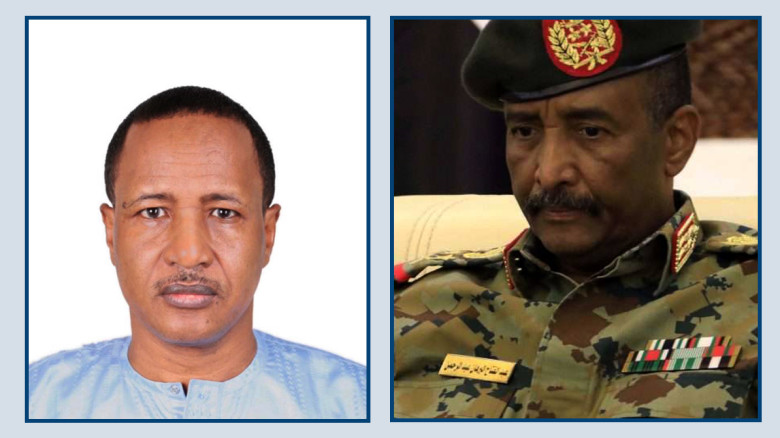
4- The Director‑General of the General Intelligence Service, General Ahmed Ibrahim Mufaddal, responded to these directives by issuing the regulations on 5 February 2026. The text aims to make the cell the alternative and effective force on the ground, shielded from international political oversight or the requirements of the upcoming settlement led by the Quartet.
5- The regulations grant the cell exceptional powers, including:
A. Absolute immunity: Members enjoy the same immunities as intelligence officers, and no legal action may be taken against them without the Director‑General’s approval to lift immunity.
B. Circumvention of judicial procedures: The cell may conduct searches, arrests, and asset seizures without prior authorization in emergency situations.
C. Control over political forces: The cell is tasked with implementing directives related to political parties and resistance committees to ensure the Islamist movement remains part of the power equation.
6- The composition of the cell is designed to ensure total loyalty to the Islamist movement, including:
A. Officers and agents from the General Intelligence Service, military intelligence, and security police.
B. Security‑trained cadres from the Special Action Forces—fighters of the movement who were integrated under official cover.
7- Through this move, the Islamist movement has succeeded in transforming its clandestine field operations into a legally protected security institution, making any attempt to remove them in accordance with the Quartet’s requirements far more complex, as they now possess investigation and detention centers with full immunity and exempt from inspection.
8- The creation of this force is part of a broader strategy to reposition itself within state institutions after international and regional pressure to exclude Islamist‑affiliated elements from security bodies.
9- The joint cell is also expected to become the dominant force on the ground in the states, particularly in areas where competition exists between regular forces and allied armed groups.
Conclusion : The disclosure of these documents highlights a methodical strategy employed by the Sudanese Islamist movement to preserve its influence within the state despite mounting international pressure. By institutionalizing a security structure that previously operated in the shadows, the movement has equipped itself with a legally protected instrument endowed with broad powers and difficult to dismantle. This maneuver reveals a clear intent to circumvent the commitments expected under the Quartet’s truce and to maintain effective control over the security and political apparatus. The creation of the Joint Security Cell thus appears as a major strategic repositioning aimed at ensuring the survival and continued influence of the Islamist movement during a transitional phase in which its exclusion seemed imminent.

.jpg)


Leave A Comment