



















Sudan: The Muslim Brotherhood as the Backbone of al‑Burhan’s Regime
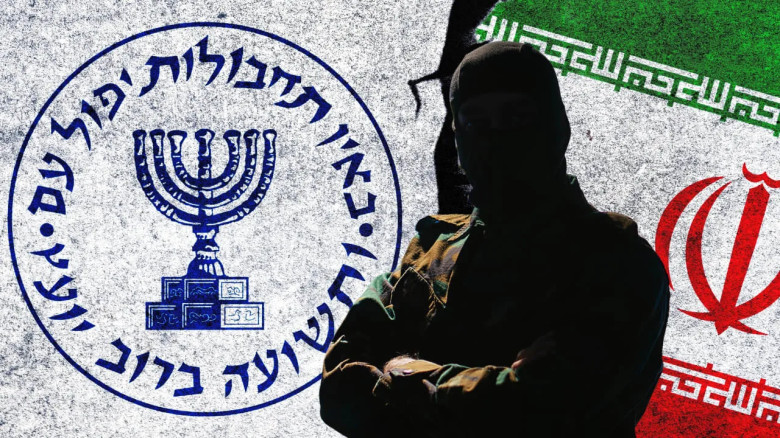
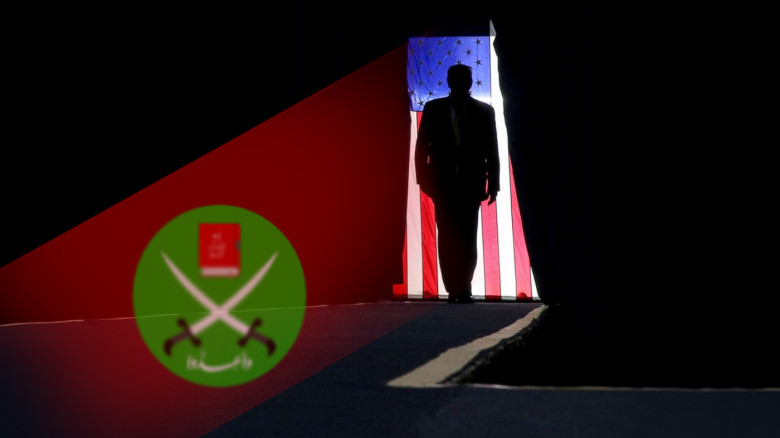
Image 1: Muslim Brotherhood vs. USABy Robert Williams – Translated by the Charilogone Editorial Team from a study published by the Gatestone Institute for Strategic Studies (USA).
Summary
▪ Since the outbreak of full‑scale war in April 2023, supporters of the Muslim Brotherhood have not only backed the Sudanese army but have embedded themselves within its operational, security, and political structures.
▪ In practice, the war has allowed Brotherhood sympathizers to re‑enter the state apparatus through “the back door,” under the cover of national defense.
▪ Politically, parties and media aligned with the Brotherhood have actively worked to derail ceasefires, reject negotiations, and delegitimize civilian alternatives by portraying the war as an existential struggle against “foreign agents” and “enemies of Islam.” This narrative is deliberate: it justifies an open‑ended war while positioning the Brotherhood as an indispensable wartime ally.
▪ Despite ideological differences between the Muslim Brotherhood and Al‑Qaeda — the former favoring gradual infiltration and political power, the latter armed struggle — the two have cooperated tactically. Sudan has long provided a permissive environment enabling extremist networks to operate with minimal constraints.
▪ Under a regime dominated by the Brotherhood, Sudan hosted Osama bin Laden between 1991 and 1996.
▪ The Brotherhood’s relationship with Hamas also highlights their role as regional facilitators for armed movements.
▪ For Iran, Sudan offered strategic depth; for the Brotherhood, Iranian support provided influence, resources, and regional prestige. Ideology proved secondary to shared enemies and mutual benefit.
▪ The Muslim Brotherhood is not an external influence on al‑Burhan’s regime — it is its ideological and organizational backbone.
▪ A regime rooted in a movement with a documented history of hosting Al‑Qaeda, financing Hamas, cooperating with Iran, and undermining democratic transitions cannot be a reliable partner for stability.
▪ The war in Sudan has many fronts, but only one center of gravity. Unless the Brotherhood’s extremist networks are removed from the state, peace will remain out of reach — and instability will continue to define national policy.
By any serious measure, the Sudanese military regime led by General Abdel Fattah al‑Burhan does not operate in isolation. At its core lies a deeply entrenched ideological and organizational force: the cadres of Sudan’s Islamist movement / Muslim Brotherhood.
While international attention often frames the Sudanese war as a confrontation between the Sudanese Armed Forces and the Rapid Support Forces, this binary narrative obscures a far more dangerous reality. The conflict is also the latest chapter in the Brotherhood’s decades‑long project to dominate the Sudanese state — by force when necessary, through infiltration when possible, and via regional alliances when advantageous.
The Muslim Brotherhood as a Wartime Power Broker
Since April 2023, Brotherhood loyalists have not merely supported the army; they have integrated themselves into its operational, security, and political core.
Networks affiliated with the Brotherhood mobilized thousands of former intelligence officers, Islamist cadres, and veterans of past jihadist campaigns to fight alongside the army. These fighters were organized into ideologically driven militias, including the “Baraa ibn Malik Battalion,” as well as formations such as “Shield of the Nation” and “Shield of the North.” Documented reports indicate that these units received weapons, funding, and logistical support through official military channels, blurring the line between state forces and Islamist militias.
Politically, Brotherhood‑aligned parties and media worked to sabotage ceasefires, reject negotiations, and delegitimize civilian alternatives by framing the war as an existential struggle against “foreign agents” and “enemies of Islam.” This narrative is designed to justify an open‑ended war while cementing the Brotherhood as an indispensable ally.
The creation of so‑called “popular resistance” structures — approved by al‑Burhan’s leadership — provided a new institutional platform for the Brotherhood’s vision after the dissolution of their former ruling party. In practice, the war allowed Brotherhood supporters to return to the state through the back door under the guise of national defense.
A Familiar Pattern: From Al‑Qaeda to Today
This strategy is not new. The Brotherhood’s behavior today mirrors that of the 1990s, when Sudan became a major hub for transnational jihadist networks.
Under a Brotherhood‑dominated regime, Sudan hosted Osama bin Laden from 1991 to 1996, offering him refuge, business opportunities, and operational freedom. During this period, Al‑Qaeda established financial, agricultural, and training infrastructures in Sudan — with state facilitation and protection.
The consequences extended far beyond Sudan’s borders, with the country linked to:
▪ the 1995 assassination attempt on the Egyptian president in Ethiopia
▪ the 1998 bombings of U.S. embassies in Kenya and Tanzania
▪ the 2000 attack on the USS Cole
These ties led to Sudan being designated a state sponsor of terrorism for nearly three decades.
Despite ideological differences, the Brotherhood and Al‑Qaeda cooperated tactically. Sudan provided a permissive environment enabling extremist networks to operate with few constraints. The lesson is clear: when empowered through the state, the Brotherhood historically opens the door to even more extreme forces.
Hamas, Financing, and Armed Infrastructure
The Brotherhood’s relationship with Hamas underscores their role as regional facilitators for armed movements.
Since the early 1990s, Sudan hosted Hamas offices, cadres, and investments. Hassan al‑Turabi acted as a political patron, helping Hamas establish a regional foothold. Over time, Hamas benefited from tax exemptions, business privileges, and unrestricted financial flows through Sudanese companies and associations.
After Omar al‑Bashir’s fall in 2019, Sudanese authorities dismantled a network of Hamas‑linked companies, seizing real estate, farmland, factories, media outlets, and financial firms worth tens of millions of dollars. U.S. sanctions later confirmed that financiers based in Sudan had transferred roughly $20 million to Hamas through these structures.

Le général Abdel Fattah al‑Burhane, président de la transition soudanaise, est basé à Port‑Soudan.
Sudan was not only a financial hub — it was also a logistical corridor.
Iran: A Pragmatic Partnership with Strategic Consequences
Despite the Sunni‑Shia divide, the Brotherhood’s relationship with Iran was rooted in strategic pragmatism.
Sudan served as a transit point for Iranian weapons destined for Hamas, particularly between 2009 and 2012. Weapons from Iran and post‑Gaddafi Libya moved through Sudan toward Gaza, prompting multiple Israeli strikes on Sudanese territory.
For Iran, Sudan provided strategic depth. For the Brotherhood, Iranian support offered resources, influence, and regional prestige. Ideology was secondary to shared interests.
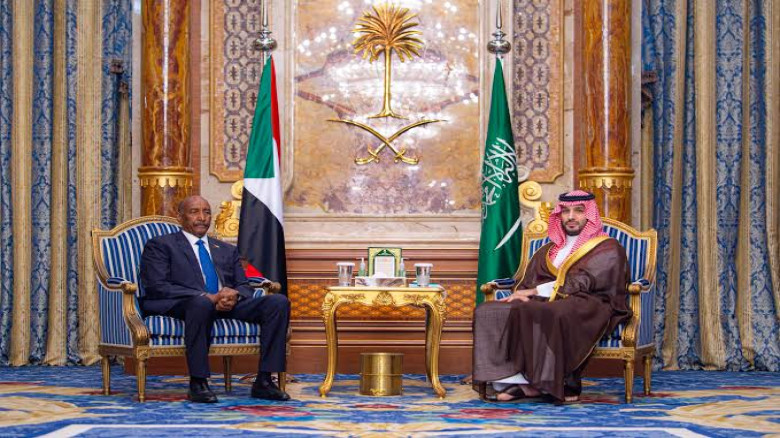
General Abdel Fattah al‑Burhan, President of Sudan’s Transitional Government, is based in Port Sudan.
The Core of al‑Burhan’s Regime
These dynamics converge toward one conclusion: the Muslim Brotherhood is not an external influence on al‑Burhan’s regime — it is its ideological and organizational backbone.
They provide the regime with:
▪ fighters and militias reinforcing the army
▪ deeply embedded security and intelligence expertise
▪ political justification for prolonging the war
▪ regional networks capable of mobilizing funding, propaganda, and external support
In return, al‑Burhan’s leadership grants them legitimacy, weapons, and access to the state — perpetuating the same pact that sustained the Islamist regime under Omar al‑Bashir.
This symbiotic relationship explains why international pressure for negotiations has repeatedly failed. Any genuine transition to civilian rule would dismantle the Brotherhood’s reconstituted influence — something the current regime cannot accept.

American Flag
Why This Matters to the United States
For U.S. policymakers, the Sudanese crisis cannot be resolved by focusing solely on military actors or battlefield dynamics. The structural role of the Muslim Brotherhood must be acknowledged.A regime rooted in a movement with a documented history of hosting Al‑Qaeda, financing Hamas, cooperating with Iran, and undermining democratic transitions cannot be a reliable partner for stability.
Ignoring this reality risks repeating the mistakes of the 1990s, when Sudan was treated as a normal state while harboring networks that would later destabilize the region and threaten U.S. interests.
The war in Sudan has many fronts, but only one center of gravity. As long as the Brotherhood’s extremist networks maintain their grip on the state, peace will remain elusive — and instability will continue to define Sudan’s political landscape.
.jpg)


Leave A Comment